
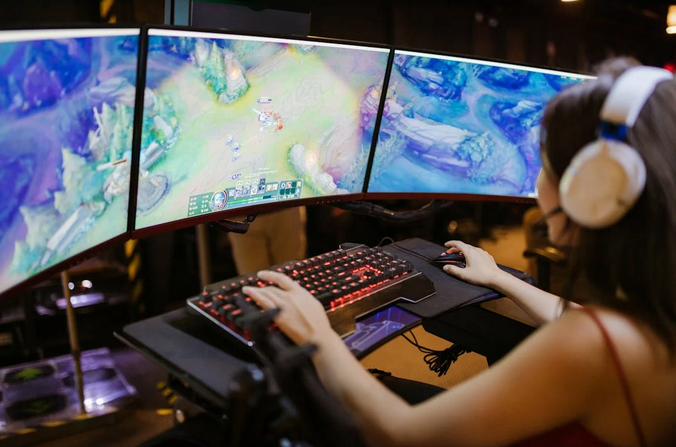
The image of a gamer glued to a chair for hours isn’t exactly flattering. But step behind the scenes, and you’ll find esports players doing more than just mashing buttons. Staying fit—both mentally and physically—is a priority if they want to stay sharp. Reaction time, focus, endurance—these aren’t optional; they’re non-negotiables. Whether they’re competing in tournaments or dabbling in the best offshore betting sites during downtime, top players treat their bodies and minds like high-performance machines. Without proper care, burnout creeps in fast, and careers fall short.
Frequent Breaks
Esports don’t involve sprinting, but that doesn’t mean the body gets a free pass. Sitting for hours can lead to stiff backs, sore wrists, and sluggish circulation. To combat this, many players follow daily mobility routines. A quick round of stretches between matches keeps muscles awake and blood flowing. Some hit the gym, others swear by yoga or light cardio. Movement breaks aren’t optional—they’re essential for anyone who wants to keep playing without pain.
The Right Nutrients for the Brain
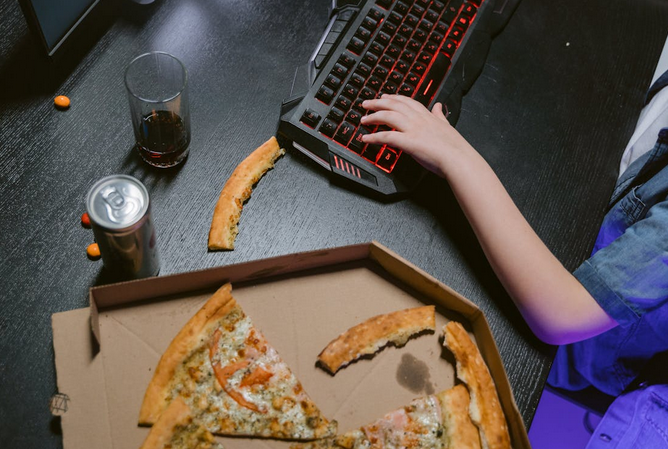
What goes into the body shows up in the gameplay. Energy drinks and chips might sound like a gamer’s dream, but they lead to crashes and brain fog. Players now lean toward foods that support long-term focus—think protein, healthy fats, and hydration. One pro admitted he swapped late-night pizza for grilled salmon and green tea. Small changes in diet help keep the mind sharp and reflexes quick. The better the fuel, the smoother the game.
Mental Gym Time
Esports isn’t all about speed; it’s also a test of mental stamina. Tilt—a gamer’s term for emotional spirals—can ruin an entire match. To avoid it, many practice mindfulness, journaling, or even therapy. Meditation apps, breathing exercises, and gratitude lists sneak their way into daily routines. One player compared it to “defragging your brain before it crashes mid-game.” Staying cool under pressure isn’t luck—it’s mental conditioning.
Team Dynamics and Real Talk
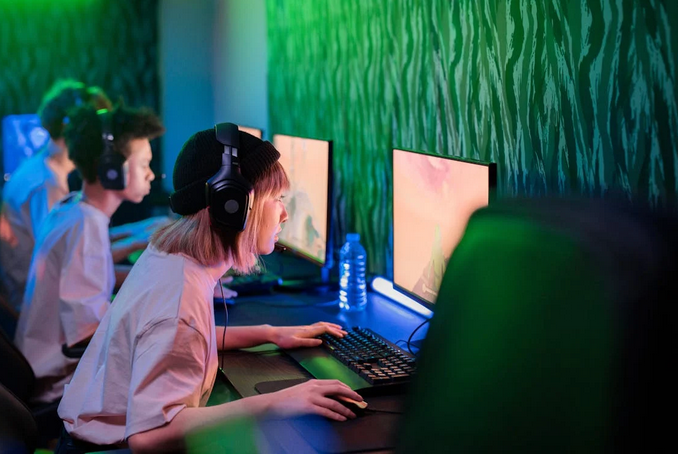
Behind every screen is a person juggling emotions, expectations, and sometimes a lack of sleep. Team chemistry matters just as much as individual talent. Open communication and mutual support can turn good teams into great ones. Some groups work with coaches to improve not just skills, but also how they interact. No one wants a teammate who melts down or blames others. Being fit in esports includes knowing how to handle wins—and losses—without becoming a walking rage quit.
Staying fit in esports takes more than a few push-ups or brain games. It’s a balance between moving enough, eating smart, staying mentally level, and working well with others. The best players know this and take action daily. It’s not about perfection; it’s about consistency. As one streamer joked, “I can’t bench press 200, but I can survive a 12-hour tournament without losing my mind.” That’s real strength in the esports grind.